Epic Fail Mini-Game in Stickman Party
The Epic Fail mini-game in Stickman Party may look easy because the arena is small and the controls are simple. The real challenge starts when the numbered tiles begin counting down. A safe area can disappear within seconds, forcing players to react quickly and find another position before they fall.
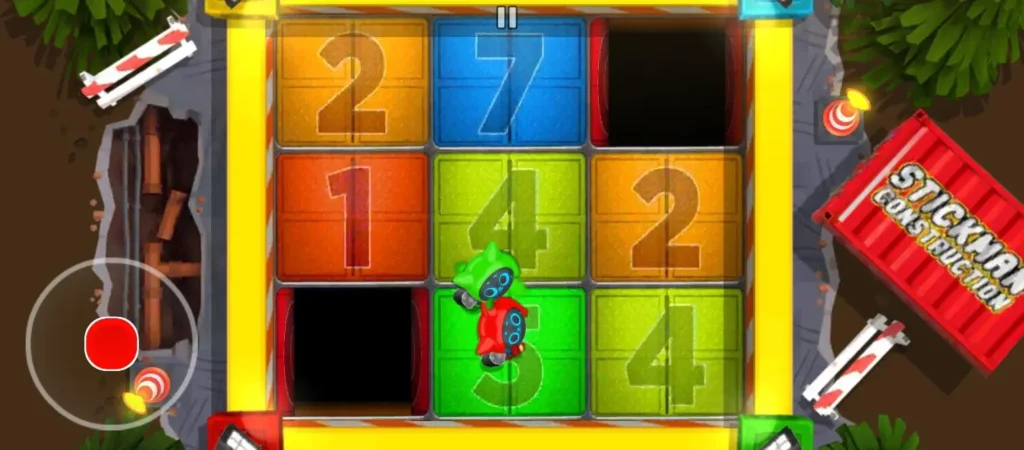
The solution is to keep checking the numbers around you, plan your next move early, and avoid getting trapped near collapsing tiles. Understanding the 3×3 grid also makes it easier to predict where you should move as the round becomes more crowded.
How Epic Fail Works
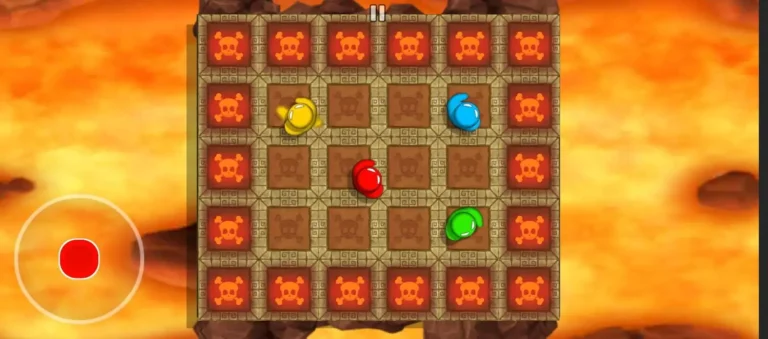
Epic Fail takes place on a compact 3×3 grid containing nine tiles. Each tile displays a number that counts down during the round. The number represents how much time remains before that tile becomes dangerous.
The countdown values can vary between rounds or versions. A tile showing a higher number gives you more time, while one showing a low number requires an immediate decision.
When a tile reaches zero, it opens and becomes a hole. Any player standing on that tile is eliminated.
This creates a simple but tense objective: stay on safe tiles for as long as possible while preparing for the next collapse.
Unlike attack-based mini-games such as Pirate Island, Epic Fail does not depend on attacking opponents. Your movement, positioning, and awareness are much more important.
Understanding the Countdown System
The countdown is the most important part of Epic Fail.
Each tile has its own number, so the entire grid does not disappear at the same time. Some areas may remain safe for longer while another tile is only moments away from collapsing.
For example:
- A tile showing 5 gives you more time to react.
- A tile showing 3 needs closer attention.
- A tile showing 2 is already becoming risky.
- A tile showing 1 should usually be treated as an immediate warning.
The exact timing can vary depending on the game version, so it is better to watch the numbers instead of relying on a fixed timer.
The biggest mistake is looking only at the tile underneath your character. You should also check nearby tiles so you already know where to move next.
Movement and Controls
Epic Fail uses straightforward movement controls. There are no complicated attacks or special abilities to manage. Your main job is to move around the grid and stay away from tiles that are about to collapse.
At the beginning of a round, players may spread across different tiles. As more tiles become dangerous, safe areas become smaller and players may start moving toward the same locations.
This is where positioning becomes important.
Try to avoid unnecessary movement across dangerous tiles. Instead, identify a safe area and keep an escape route available. If the tile you’re standing on has a low number, start moving before it reaches zero.
How Players Get Eliminated
Elimination happens when the tile beneath a player reaches zero and opens.
There is no health system that allows you to recover from the fall. Once a player is caught on a collapsing tile, they are removed from the round.
The match continues as more tiles become unsafe and players are eliminated. Eventually, only one player remains.
That player wins the round.
Because the arena becomes more difficult to navigate over time, the final moments usually require much more careful movement than the opening stage.
How to Read the Grid
Good players do not wait until their current tile reaches zero before thinking about their next move.
Instead, scan the entire grid and compare the countdown numbers.
Look for:
- Tiles with higher remaining numbers.
- Nearby areas that can be reached quickly.
- Tiles that are about to collapse.
- Positions with more than one escape route.
- Crowded areas where several players are moving together.
This information helps you make decisions before the situation becomes urgent.
Winning Strategies for Epic Fail
Keep Moving
Staying completely still for too long can leave you trapped when your tile reaches zero. Move when necessary and keep an eye on your available escape routes.
Watch Several Tiles
Do not focus only on your current position. Check the surrounding tiles regularly so you know where to go next.
Use the Center Carefully
The center of the grid can provide access to multiple directions, which can be useful early in a round. However, it is not automatically safe. Always check its countdown before relying on it.
Move Before the Last Second
If your tile shows a very low number, do not wait for the final moment. Start moving toward a safer option while you still have time.
Avoid Crowded Tiles
When several players rush toward the same safe tile, movement can become difficult. If another safe option is available, consider taking it instead of following the crowd.
Think About Your Next Move
Survival is easier when you already have a backup position in mind. Before your current tile becomes dangerous, identify where you can move next.
Common Mistakes to Avoid
Epic Fail often punishes small mistakes. Some of the most common include:
Waiting too long: Players sometimes remain on a low-number tile until there is almost no time left.
Watching only one tile: Ignoring the rest of the grid can leave you without a safe escape route.
Following other players: A crowded safe tile is not always the best choice.
Moving without a plan: Random movement can put you closer to another collapsing tile.
Ignoring low numbers: A tile showing 1 or 2 should immediately attract your attention.
How the Arena Changes During a Match
The 3×3 grid feels much larger at the beginning because there are several possible positions. As tiles collapse, your available space becomes more limited.
This changes the way you should play.
Early in the round, you can focus on learning the countdown pattern and maintaining a comfortable position. Later, you need to think about escape routes and nearby players because there may be fewer safe choices.
The final stage can therefore become a test of both reaction speed and positioning.
What Makes Epic Fail Fun?
Epic Fail has a simple concept but creates plenty of pressure. The controls are easy to understand, yet players must constantly make decisions as the numbered tiles change.
The small grid also makes multiplayer matches unpredictable. Two players may be safe one moment and suddenly need to move because their tiles are about to disappear.
That combination of simple controls, limited space, and changing countdowns gives the mini-game its name and keeps rounds exciting.
Final Thoughts
Epic Fail is a survival-focused Stickman Party mini-game where awareness and movement matter more than complicated controls. The nine-tile grid creates a constant need to check countdowns, plan escape routes, and avoid dangerous positions.
The best approach is to think ahead rather than react at the last second. Watch several tiles, move before your position becomes unsafe, and avoid unnecessary crowding. Once you become familiar with the countdown system, it becomes easier to make confident decisions and stay in the round longer.
FAQs
1. What is the Epic Fail mini-game in Stickman Party?
Epic Fail is a survival mini-game played on a 3×3 grid where numbered tiles count down and eventually collapse.
2. How are players eliminated in Epic Fail?
A player is eliminated when the tile beneath them reaches zero and opens, causing them to fall from the arena.
3. Why are the countdown numbers important?
The numbers show which tiles are becoming dangerous. Watching them helps you choose when and where to move.
4. How can I survive longer in Epic Fail?
Keep checking nearby tiles, move before your current tile reaches a very low number, maintain escape options, and avoid unnecessary crowding.
5. Is the center always the safest place?
Not necessarily. The center can offer several movement options, but its countdown and the surrounding tiles should always be checked before relying on it.